Pain is one of the most common reasons people seek medical care. Whether it’s a sharp, shooting pain from sciatica or a lingering ache from a sports injury, living with chronic or acute pain can drain your energy, mood, and quality of life. While medication and surgery have their place, more people are turning to acupuncture—a safe, drug‑free, and evidence‑based approach to pain relief.
In this article, we’ll explore how acupuncture treats two very different but equally challenging pain conditions: sciatica and sports injuries. You’ll learn how fine needles can help reset your body’s pain signals, reduce inflammation, and speed up healing—naturally.
Acupuncture is a key component of Traditional Chinese Medicine (TCM). It involves inserting ultra‑thin, sterile needles into specific points on the body (acupoints). From a Western medical perspective, acupuncture:
Stimulates endorphin release – your body’s own natural painkillers
Improves blood circulation – bringing oxygen and nutrients to damaged tissues
Reduces inflammation by modulating cytokines and immune cells
Alters pain signal processing in the brain and spinal cord (gate control theory)
This makes acupuncture effective for a wide range of pain conditions—including the two we’ll focus on below.
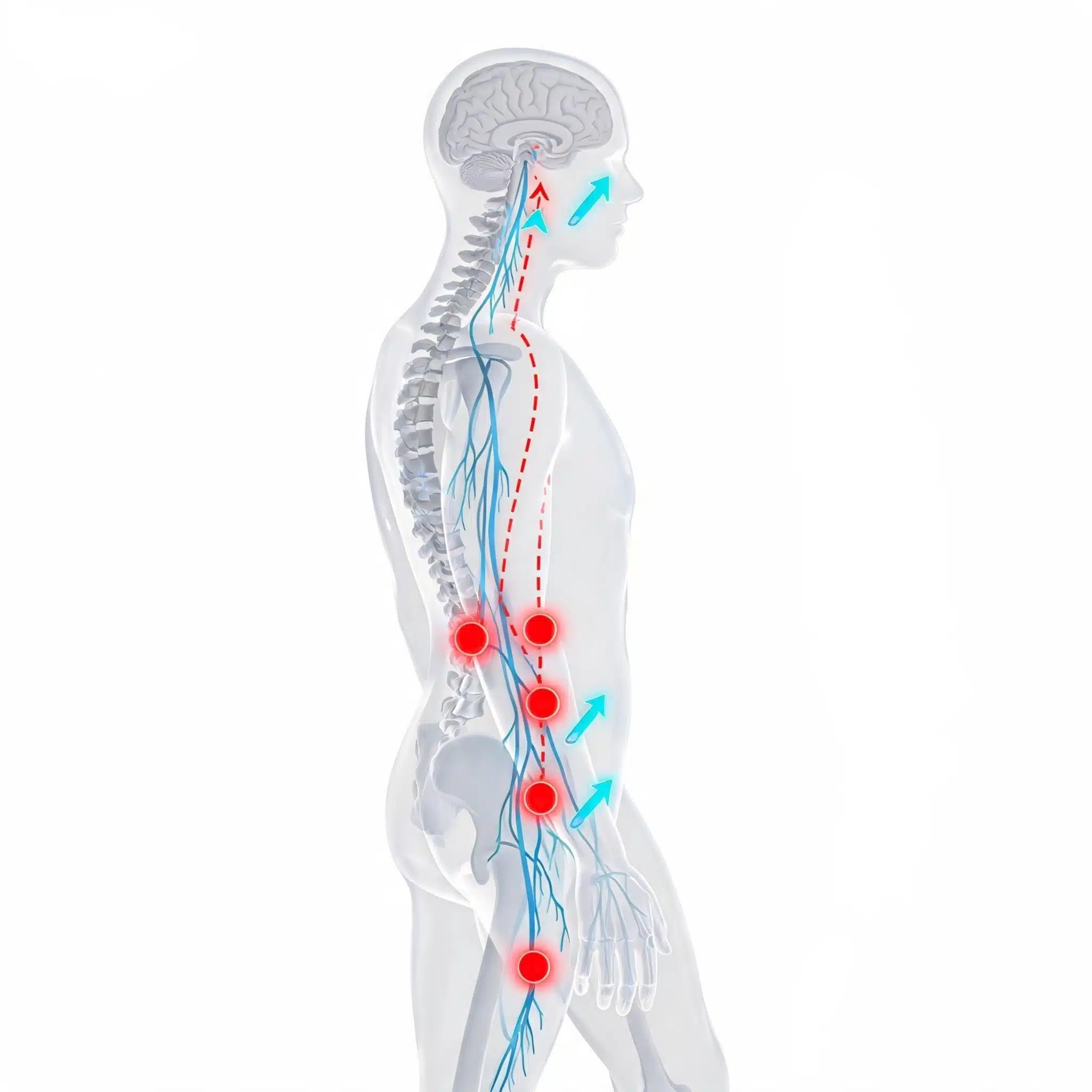
Sciatica isn’t a condition itself, but a symptom of nerve compression. The sciatic nerve runs from your lower back, through your buttocks, and down each leg. When something pinches it—often a herniated disc, bone spur, or tight piriformis muscle—you feel pain, numbness, tingling, or weakness along the nerve’s path.
Several clinical trials show that acupuncture can significantly reduce sciatica pain and improve function. Acupuncturists target points along the bladder and gallbladder meridians, which follow the sciatic nerve pathway. Common points include:
GB‑30 (Huantiao) – directly on the sciatic nerve in the buttock
BL‑40 (Weizhong) – back of the knee
BL‑23 (Shenshu) – lower back area
By needling these points, acupuncture relaxes muscle spasms around the nerve, reduces local inflammation, and encourages the body to release anti‑inflammatory compounds. A 2020 systematic review in BMJ Open concluded that acupuncture combined with standard care was more effective than standard care alone for chronic sciatica.
✅ Real‑life benefit: Many patients report feeling a “release” of tension after 2‑3 sessions, and significant improvement within 6‑8 treatments.
Athletes and active individuals often face:
Sprains (ligament injuries)
Strains (muscle or tendon injuries)
Tendonitis (e.g., tennis elbow, Achilles tendonitis)
Shin splints
Rotator cuff issues
Acupuncture for sports injuries works on several levels:
Pain control – Needling triggers local endorphin release, providing rapid pain relief without NSAIDs or opioids.
Reduced swelling – Studies show acupuncture lowers levels of pro‑inflammatory cytokines and increases circulation, helping clear metabolic waste.
Muscle relaxation – For tight, overworked muscles, acupuncture interrupts the spasm‑pain cycle.
Tissue regeneration – Improved blood flow brings fibroblasts and growth factors to the injured site.
A 2018 review in the Journal of Alternative and Complementary Medicine found that acupuncture significantly reduced pain and improved function in athletes with acute and chronic musculoskeletal injuries. Many professional sports teams—including those in the NBA, NFL, and Olympics—include acupuncture as part of their recovery protocols.
🏃 Example: A runner with shin splints may receive needles around the tibia (ST‑36, LV‑3) plus systemic points to calm inflammation. Most report reduced pain after just one session, with faster return to training.
While sciatica and sports injuries are our focus, acupuncture is widely recognized for treating:
Chronic low back pain
Neck pain
Osteoarthritis of the knee
Headaches (tension and migraine)
Carpal tunnel syndrome
The World Health Organization (WHO) and the National Institute for Health and Care Excellence (NICE) in the UK recommend acupuncture for chronic primary pain conditions.
Acupuncture is extremely safe when performed by a licensed, trained practitioner. We use single‑use, sterile, disposable needles. Side effects are rare—occasionally minor bruising or temporary soreness.
During your first visit for pain:
A thorough health history and physical exam (including range of motion tests)
You’ll lie comfortably on a treatment table
Needles are inserted for 15‑30 minutes
Many patients feel deeply relaxed or even fall asleep
Number of sessions:
Acute injuries: often 2‑6 sessions
Chronic sciatica: 8‑12 sessions over 4‑6 weeks, then maintenance
You don’t have to live with sciatica pain that stops you from sitting comfortably, or a sports injury that keeps you off the field. Acupuncture offers a natural, side‑effect‑free path to healing.
👉 Ready to try acupuncture for your pain condition?