
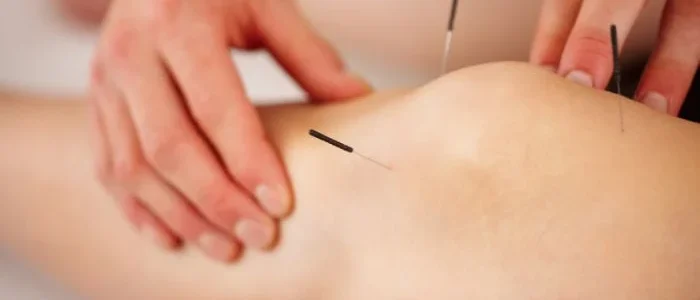
Acupuncture for Pain Management in Mississauga – Natural Relief for Chronic & Acute Pain
Living with persistent pain is exhausting. It affects your work, your sleep, and your quality of life. Mr. Wang combines four advanced acupuncture techniques – classical, scalp, ear & Tung’s – to address the root cause of your pain, not just mask the symptoms. Over 30 years of clinical experience helping Mississauga patients return to pain‑free living.
Your Pain Is Real. So Is Our Approach.
You’ve probably tried painkillers that wear off in hours. Physiotherapy that only worked temporarily. Maybe you’ve been told surgery is the only option. You’re not alone. Chronic pain affects nearly one in four Canadian adults, yet many never find lasting relief.
Mr. Wang doesn’t guess. He uses a structured diagnostic process – pulse and tongue assessment, orthopedic testing, and meridian palpation – to identify exactly where your pain originates. Then he selects from four acupuncture systems, each chosen for a specific type of pain.
Acupuncture was recognized by the World Health Organization as an effective treatment for multiple pain conditions. More importantly, it’s helped thousands of Mississauga patients just like you.
Four Acupuncture Systems – One Precise Plan for Your Pain
Not every pain responds to the same needling technique. That’s why Mr. Wang is trained in four distinct systems. For each patient, he chooses the combination that best matches your specific condition and body type.
🧷 Classical Acupuncture (Meridian‑Based)
The foundation of TCM pain management. Needles inserted along 12 primary meridians to unblock Qi, release muscle tension, reduce inflammation, and restore balance. Ideal for chronic musculoskeletal pain, arthritis, and widespread tension.
🧠 Scalp Acupuncture (Neurological Pain)
Targets specific brain zones mapped to body regions. Exceptionally effective for migraines, post‑stroke pain, chronic headaches, and pain that originates in central nervous system dysfunction. Minimal discomfort with lasting effects.
👂 Ear Acupuncture (Vagus Nerve Stimulation)
The ear is a microsystem of your entire body. Stimulating specific ear points releases endorphins – your body’s natural painkillers – and lowers stress hormones that amplify pain perception. Ideal for acute pain flare‑ups and stress‑related tension.
🏺 Tung’s Acupuncture (Extraordinary Points)
A rare 33‑generation family system using points primarily on hands, arms, legs and feet – not found in classical textbooks. Famous for immediate pain relief, often felt within seconds of needle insertion. Mr. Wang holds advanced certification in Tung’s acupuncture, a skill rare in Mississauga.
Acupuncture for Pain – What The Latest Research Shows
Chronic Low Back Pain
A 2026 systematic review and meta‑analysis of 8 randomized controlled trials (1,123 participants) found that acupuncture significantly reduced pain at both immediate follow‑up (SMD = –0.73) and intermediate follow‑up (SMD = –1.13). Disability also improved at both timepoints (immediate: SMD = –0.49; intermediate: SMD = –0.79).
Sciatica from Herniated Discs
A 2026 meta‑analysis of 11 RCTs (868 participants) demonstrated that acupuncture significantly reduced leg pain compared to control treatments (SMD = –1.08, 95% CI: –1.41 to –0.75). The review noted that acupuncture effectively alleviates pain and aids functional recovery in chronic sciatica.
Fibromyalgia Syndrome
A 2026 meta‑analysis of 17 RCTs (773 participants) found that acupuncture significantly improved pain (SMD = –0.72, 95% CI: –1.02 to –0.41) and stiffness (SMD = –0.72, 95% CI: –1.10 to –0.34), with these benefits remaining statistically significant during long‑term follow‑up.
Acupuncture Mechanisms of Analgesia
A 2026 systematic review on mechanisms of acupuncture‑induced analgesia examined how acupuncture triggers endorphin release, modulates inflammatory cytokines, and influences central nervous system pain processing pathways.
Limitations & Individual Results
Individual results vary. Benefits are influenced by treatment frequency and acupuncture type. Mr. Wang will provide a personalized session estimate during your consultation.
What Hurts? Mr. Wang Has a Plan for Each Condition.
Back & Spine Pain
Chronic Low Back Pain (CLBP)
· How acupuncture helps: Reduces inflammation in lumbar muscles and facet joints; relaxes paraspinal muscle spasms; improves blood flow to lower back tissues.
· Our four‑technique approach: Classical meridian points on Bladder and Governing Vessels → Tung’s hand points (Ling Gu, Da Bai) for immediate relief → Scalp acupuncture for central regulation → Ear points for endorphin release.
· What you can expect: Most patients feel measurable improvement within 3–6 visits. Long‑standing cases typically require 8–12 sessions structured over 3 months.
Sciatica & Disc‑Related Nerve Pain
· How acupuncture helps: Reduces nerve root compression, alleviates radiating leg pain, improves functional mobility.
· Our four‑technique approach: Classical points along Bladder meridian for nerve pathway → Tung’s points specific to sciatica → Scalp acupuncture for central pain gate control → Ear points for acute pain flare.
· Research supports: Acupuncture significantly reduces leg pain (SMD = –1.08) and improves functional disability (ODI: SMD = –0.57) in chronic sciatica.
Neck Pain & Cervical Tension
· How acupuncture helps: Releases tight neck and shoulder muscles, reduces tension headaches, improves range of motion.
· Our four‑technique approach: Classical points on Triple Burner, Small Intestine, and Gallbladder meridians → Tung’s neck points on wrists → Scalp points for headache zones → Ear points for stress‑related tension.
Headaches & Migraines
Tension Headaches
· How acupuncture helps: Relaxes scalp and neck muscles, reduces stress‑triggered headache frequency, prevents muscle tension buildup.
· Our four‑technique approach: Classical points (GB20, LI4, LV3) → Ear points for vagus nerve regulation → Scalp points for headache zones → Tung’s extraordinary migraine points.
Migraines
· How acupuncture helps: Reduces migraine frequency and severity; decreases reliance on medication; addresses triggers including hormonal changes, stress, and sleep disruption.
· Our four‑technique approach: Scalp acupuncture as first line (migraine zones) → Classical points for liver/gallbladder regulation → Ear points for acute attack → Tung’s migraine points on hands.
· What you can expect: Many patients see 50% reduction in migraine frequency within 8–12 sessions.
Arthritis & Joint Pain
Osteoarthritis (Osteoarthritis of Knee, Hip, Hand)
· How acupuncture helps: Reduces joint inflammation, improves local circulation, reduces morning stiffness.
· Our four‑technique approach: Classical points around affected joints → Tung’s joint‑specific points → Ear points for systemic inflammation control.
· What you can expect: Noticeable improvement in pain and mobility within 6–8 sessions.
Rheumatoid Arthritis
· How acupuncture helps: Modulates immune response, reduces systemic inflammation, alleviates symmetrical joint pain and morning stiffness.
· What you should know: Acupuncture is a complementary therapy. Dr. Zhang works alongside your rheumatologist. Do not discontinue prescribed medications.
Shoulder, Elbow, Wrist & Hand Pain
Frozen Shoulder (Adhesive Capsulitis)
· How acupuncture helps: Restores range of motion, reduces capsular adhesions, relieves referral pain into arm.
· Our four‑technique approach: Classical points on Triple Burner and Large Intestine meridians → Tung’s shoulder points on legs (reciprocal zones) → Ear points for chronic pain.
Tennis Elbow / Lateral Epicondylitis
· How acupuncture helps: Reduces inflammation at tendon attachments, alleviates gripping pain, speeds healing of repetitive strain injury.
· Our four‑technique approach: Classical local ashi points + distal meridians → Tung’s elbow points (hand zones) → Ear points.
Knee & Hip Pain
Hip Pain (Gluteal Tendinopathy, Hip Bursitis)
· How acupuncture helps: Reduces trochanteric bursa inflammation, relieves referred low back and groin pain, improves walking mechanics.
Knee Osteoarthritis
· How acupuncture helps: Reduces medial or lateral joint line tenderness, improves stair‑climbing and squatting function.
Fibromyalgia
What is Fibromyalgia?
Widespread musculoskeletal pain affecting 2–4% of the global population, predominantly women. Fibromyalgia involves central nervous system sensitization, leading to amplified pain perception.
How acupuncture helps: Regulates central pain processing, reduces tender point sensitivity, improves stiffness and quality of life.
Research supports: A 2026 meta‑analysis of 17 RCTs (773 participants) found that acupuncture significantly improved pain (SMD = –0.72) and stiffness (SMD = –0.72), with high‑session‑frequency protocols providing better physical function outcomes.
What you can expect: Long‑term management with regular sessions. Electrical stimulation acupuncture may provide additional benefits for fatigue.
Sports Injuries & Post‑Surgical Recovery
Acute Sports Injuries (Sprains, Strains, Tendonitis)
· How acupuncture helps: Reduces acute inflammation, accelerates healing of strained muscles and ligaments, restores range of motion.
Post‑Surgical Pain & Recovery
· How acupuncture helps: Reduces post‑operative pain, minimizes reliance on opioids, speeds soft tissue healing around surgical sites, prevents adhesions.
Not sure if acupuncture can help your specific pain? Book a free 15‑min consult to find out.
How Does Acupuncture Relieve Pain? The Science Explained.
1. Endorphin Release
Acupuncture stimulates the release of endogenous opioids (beta‑endorphins, enkephalins), your body’s natural painkillers. This explains why pain relief can be felt during and after treatment.
2. Gate Control Theory
Acupuncture signals travel faster along nerve pathways than pain signals, effectively “closing the gate” to pain perception in the spinal cord.
3. Inflammation Reduction
Acupuncture down‑regulates pro‑inflammatory cytokines (TNF‑α, IL‑6, IL‑1β) and increases anti‑inflammatory markers, reducing swelling and chronic inflammation.
4. Nervous System Regulation
Acupuncture modulates sympathetic nervous system activity (your “fight or flight” response), lowering cortisol and reducing stress‑amplified pain perception.
5. Blood Flow Improvement
Local vasodilation at needle sites increases oxygen and nutrient delivery to injured tissues, speeding repair and clearing metabolic waste products that cause pain.
What to Expect – Your Pain Management Journey
Step 1: Free 15‑Min Pain Consultation (Phone or In‑Person)
Describe your pain: where it hurts, how long it has persisted, what treatments you’ve already tried. Mr. Wang will tell you honestly whether acupuncture can help and give you a session estimate. No obligation. No needles until you agree.
Step 2: Initial 60‑Min Comprehensive Pain Assessment
In‑clinic assessment including:
· Full pain history and medical intake
· Musculoskeletal examination and orthopedic testing (as applicable)
· Pulse and tongue TCM diagnosis
· First acupuncture treatment using selected techniques (if you consent)
· Optional: home care recommendations
Step 3: Treatment Plan & Follow‑up
· Acute pain: Typically 3–6 weekly sessions, then as needed.
· Chronic pain: Typically 8–12 weekly sessions, followed by maintenance every 2–4 weeks.
· Each session: 45 minutes needles in place. You relax in a quiet, warm room – many patients fall asleep.
Frequently Asked Questions – Acupuncture for Pain in Mississauga
Q: How many acupuncture sessions for chronic back pain?
A: Most patients see significant improvement within 3–6 sessions. Long-standing cases (5+ years) typically need 8–12 weekly sessions. You will receive a personalized estimate during your free consultation.
Q: Does acupuncture hurt for pain treatment?
A: No. Our needles are thinner than a cat’s whisker. Most patients feel a mild tingling, dull ache, or warmth – that’s a sign Qi is moving. Many patients with chronic pain find the experience deeply relaxing.
Q: How soon will I feel pain relief?
A: Some patients feel relief during the first session (especially with Tung’s acupuncture for acute pain). For chronic conditions, noticeable improvement usually occurs within 3–6 treatments.
Q: Can acupuncture replace my pain medication?
A: Acupuncture may reduce your need for pain medication over time. Do not discontinue any prescribed medication without first consulting your doctor.
Q: Does acupuncture work for sciatica nerve pain?
A: Yes. A 2026 meta-analysis of 11 studies (868 patients) found that acupuncture significantly reduced leg pain from sciatica (SMD = –1.08) and improved functional mobility.
Q: Does acupuncture work for fibromyalgia?
A: Yes. A 2026 meta-analysis of 17 studies (773 patients) found that acupuncture significantly improved pain and stiffness in fibromyalgia patients.
Q: Will my insurance cover acupuncture for pain in Mississauga?
A: Most extended health plans cover acupuncture (typically $300–$500/year). Check your plan under “paramedical services”.
Q: What areas of Mississauga do you serve?
A: We treat pain patients from all Mississauga neighborhoods: Square One, Erin Mills, Port Credit, Clarkson, Lorne Park, Meadowvale, Streetsville, Cooksville, and more. Also welcoming patients from Oakville and Brampton.
Q: Do I need a doctor’s referral?
A: No, you can book directly.
Q: What makes your acupuncture for pain different from other clinics?
A: Most clinics use only classical meridian acupuncture. Mr. Wang is trained in four systems and combines them based on your specific condition – classical for root imbalance, Tung’s for immediate relief, scalp for neurological pain, ear for acute flare‑ups and stress management.
Q: Can acupuncture help with arthritis pain?
A: Yes. Acupuncture reduces joint inflammation and improves circulation around affected joints. Many patients with osteoarthritis experience reduced morning stiffness and improved mobility within 6–8 sessions.
Still have questions? Book a free 15‑min consult to discuss your specific pain.
Serving All of Mississauga – And Nearby
· Square One / City Centre
· Erin Mills
· Port Credit
· Clarkson / Lorne Park
· Meadowvale
· Streetsville
· Cooksville
· Malton
· Lakeview
· Mineola / Rathwood
Also welcoming patients from: Oakville, Brampton, Etobicoke.
📍 Clinic address: 5587 McFarren BLVD, Mississauga. Free parking.
Stop Living with Pain. Start Your Pain‑Free Journey Today.
Mr. Wang offers a free 15‑minute consultation to discuss your pain condition. No obligation. No needles until you say yes. Just a conversation – and you’ll know if acupuncture is right for you.
Call us: (647)893-1224